 Happening today
 For travellers
 Business Pärnu
One of Estonia’s greenest regions, where forests, parks, and coastal and riverside areas create a pleasant living environment and holiday destination. Nature conservation and local traditions, food, and community are valued. The diverse attractions stretch from Kihnu to Soomaa and from Kabli to Matsalu. Pärnu also holds the Green Destination title, reflecting the region’s commitment to sustainable development.
Sea- and River-Green Pärnu
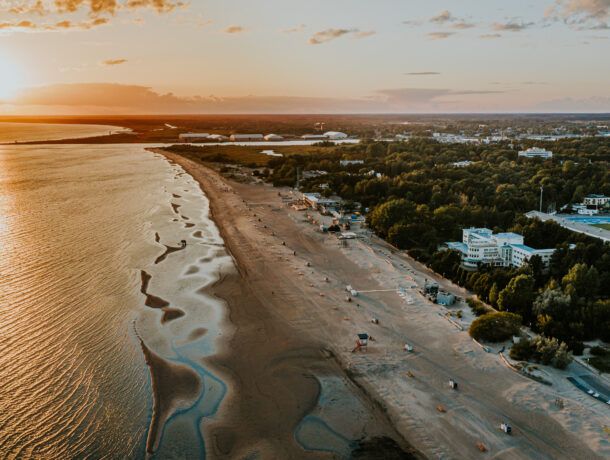
The Gem of Pärnu County – No Matter How You Look at It – Is Still Its White Sandy Beach and the Sea. The sea is the main attraction, drawing visitors even from the farthest corners of the globe. The beach’s appeal and easy accessibility reflect an environmentally friendly lifestyle and give the area a strong visual identity, according to locals.
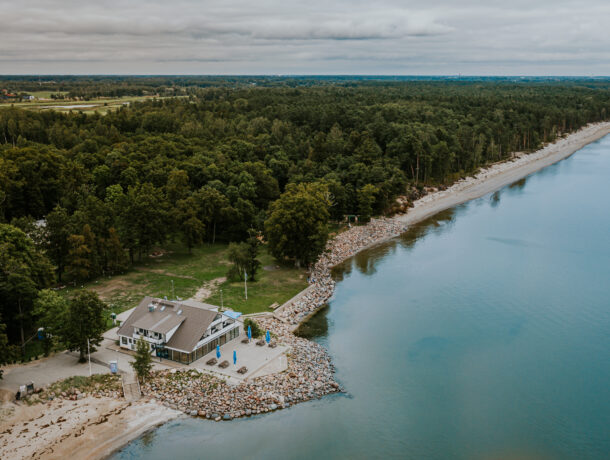
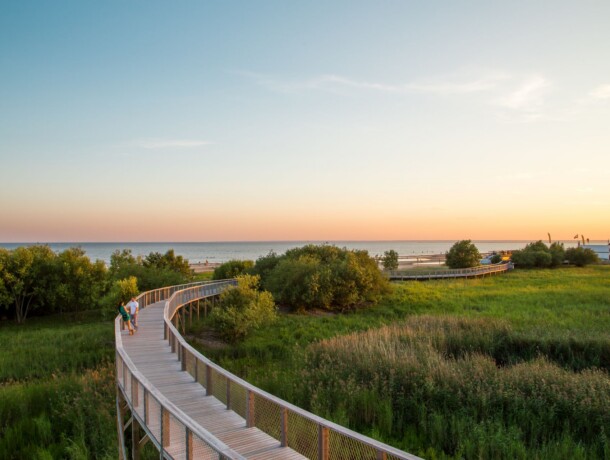
Pärnu’s main city beach features a seaside promenade, the renovated Rannapark, an extensive network of paths for easy walking and cycling, and a variety of service providers. Beyond the resort town’s beach, Pärnu County offers numerous hidden coastal gems where visitors can enjoy the beautiful sea in any season, with the added bonus of stargazing at night.
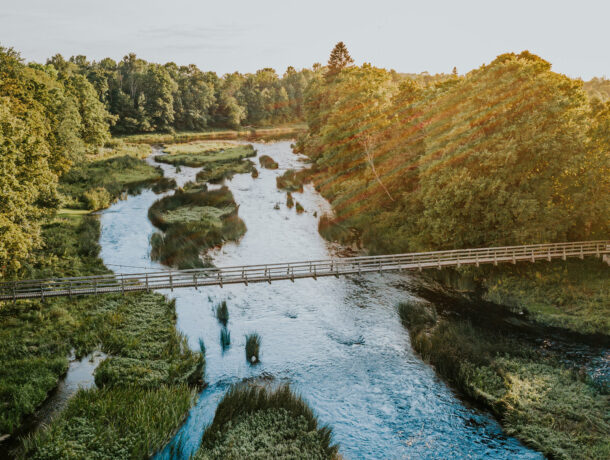
Pärnu County is also crossed by Estonia’s second-longest river, the Pärnu River, whose mouth is located in the center of the resort town. The river provides a range of water-based activities and remains an attractive destination for anglers year-round. Other well-known rivers in Pärnu County include the Sauga, Audru, Reiu, and Vändra Rivers.
Forest- and Bog-Green Pärnu
Pärnu is literally a very green city – around one fifth of its area is covered by various green spaces, including wooded areas, tree-lined alleys, parks, and private gardens. Among the most inviting for walks is Rannapark, a protected area over 100 years old, and a well-known site is Vallikäär, located on the old city ramparts and surrounding embankments. The beach promenade, with its modest vegetation, and a riverside path through a small forested area also add to the city’s greenery.
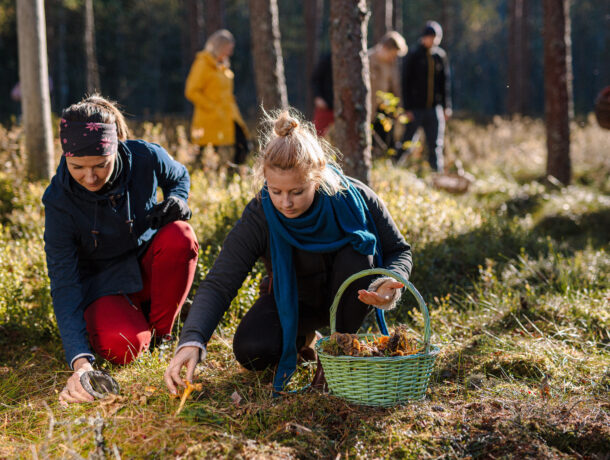
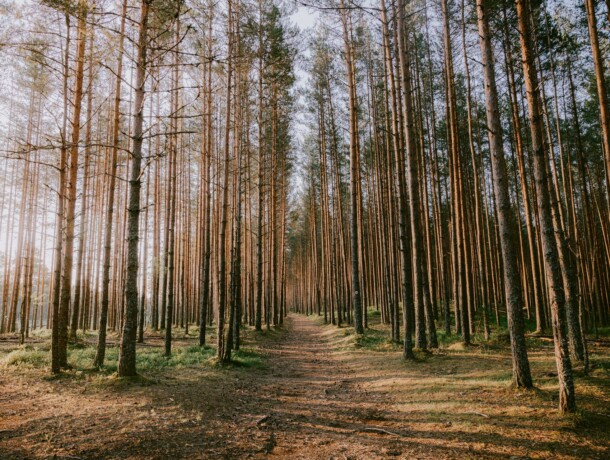
The entire Pärnu County is equally green, with nearly half of its territory covered by forests featuring diverse and species-rich woodland areas, mainly pines, birches, and spruces.
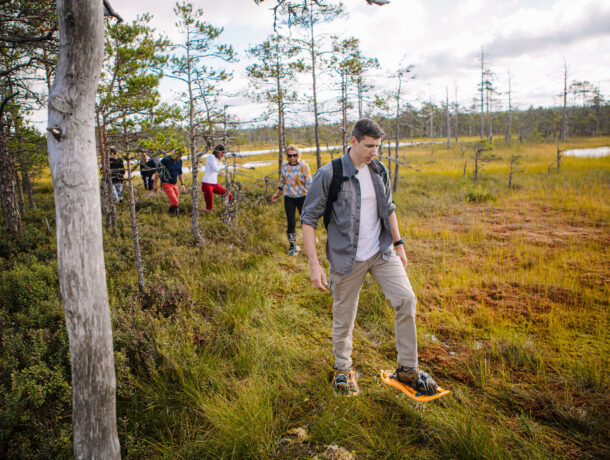
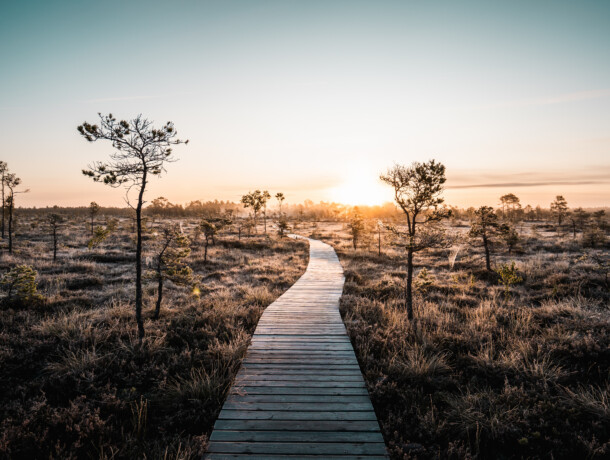
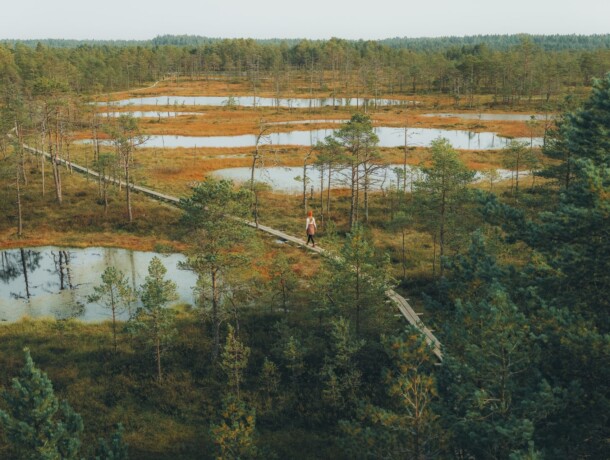
About 24% of Pärnu County consists of bogs and wetlands. Many of these can be visited independently, with Tolkuse Bog being the most accessible in Estonia. Other safe options include Riisa Bog and Nigula Bog, where adventurous visitors can even swim in bog lakes. Some areas are harder to explore alone but can provide memorable experiences with an experienced guide.
At the county’s edge lies Soomaa National Park, the second-largest in Estonia. Its unique landscapes, scenic bogs, river floodplains, and dunes make it a particularly remarkable destination during spring, when the floodplains submerge and the “fifth season” begins.
Meadow- and Bird-Green Pärnu
In the city districts of Kesklinn, Mai, Raeküla, and Vana-Pärnu lies the 375-hectare Pärnu Coastal Meadow Nature Reserve, which includes about 250 hectares of semi-natural habitats requiring maintenance, mostly coastal meadows.
From spring to autumn, the area is managed with the help of Highland cattle. Locally known as “city cows,” these animals help preserve the species richness, uniqueness, and scenic beauty of the rare coastal meadows.
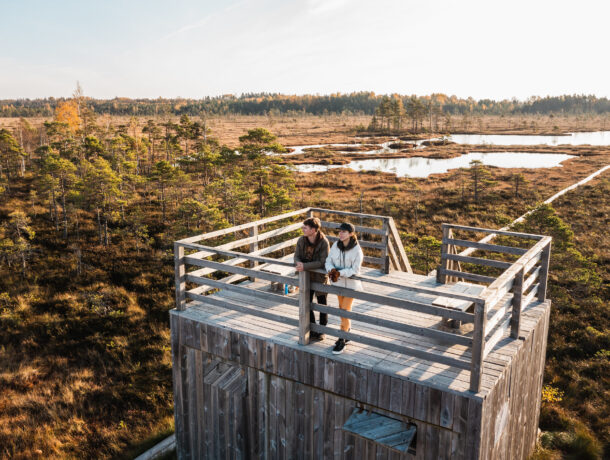
To better introduce local flora and fauna to both residents and visitors and provide close-up viewing opportunities, the meadows have been equipped with visitor facilities, including birdwatching towers at Mai and Raeküla beaches, information boards, and a hiking trail with a viewing platform near Tervise Paradiis.
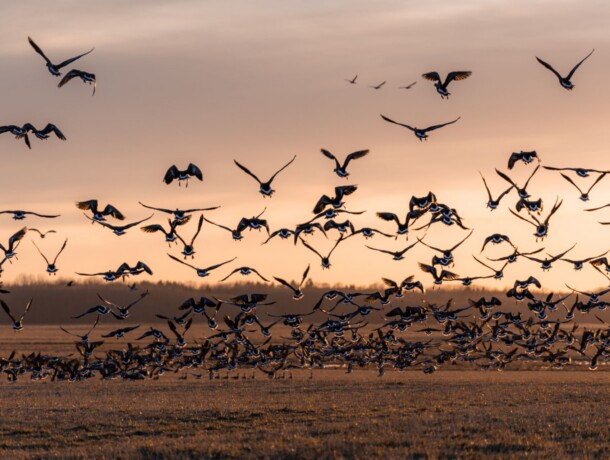
On the western coast, Matsalu National Park is a paradise for birdwatchers! It is one of the most bird-rich areas not only in Estonia but across Europe, with over 270 recorded bird species and more than two million migratory waterbirds passing through each year. Visitors can welcome the arriving birds in spring or wave goodbye to them in autumn.

Cycling and hiking green Pärnu
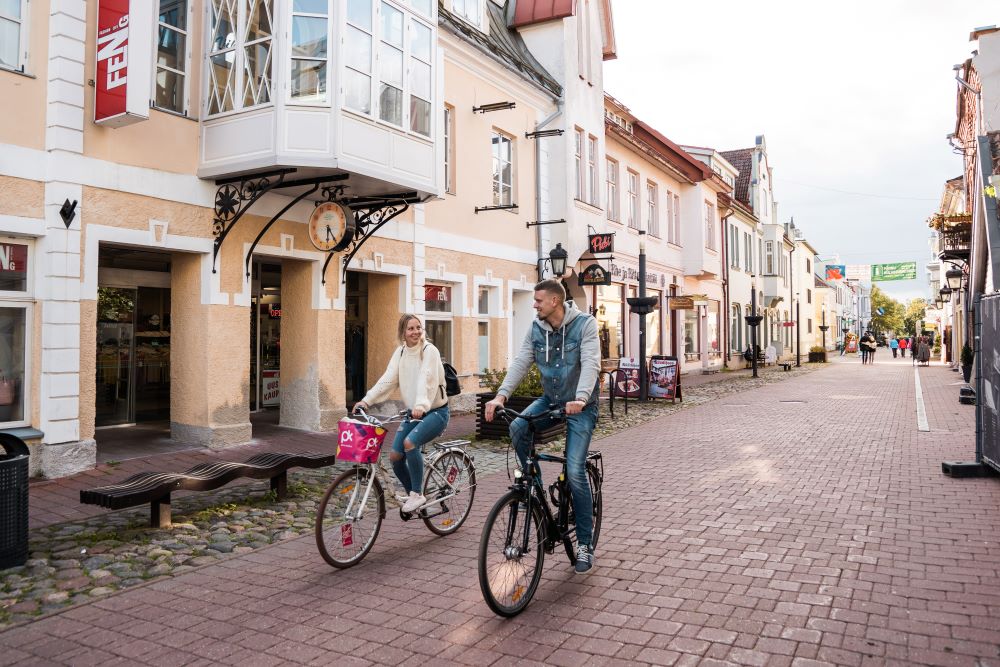
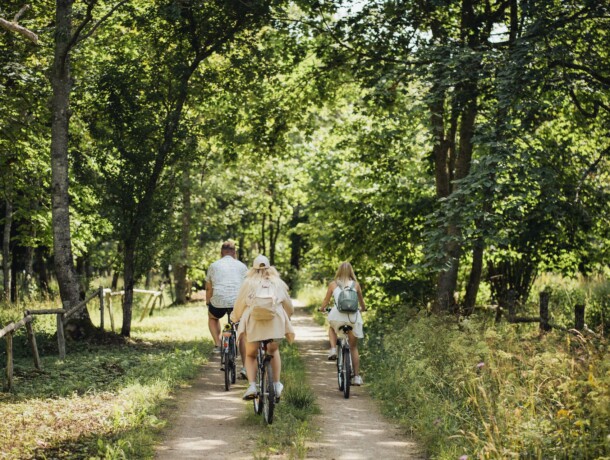
The city of Pärnu is compact enough to explore on foot or by bicycle. Being active outdoors offers a pleasant alternative to driving and allows access to places that cars cannot reach, such as Pärnu mole, the Mai cycling path and observation tower, or the Jaansoni Health Trail.
Every year, new cycling and walking paths are constructed or renovated in Pärnu, and the city now boasts over 70 kilometers of routes. In spring 2018, three bike counters were installed across the city to collect data on cyclists. In 2023, these counters recorded over 800,000 cyclists, averaging 2,305 cyclists per day. The number of cyclists continues to grow, and city infrastructure is increasingly adapted to be bike-friendly.
Pärnu County is also traversed by two EuroVelo routes: Route 10 (Baltic Sea Cycle Route) and Route 13 (Iron Curtain Trail). Independent cycling tours are also available both within and outside the city, such as Pärnu–Ikla, Pärnu–Soomaa, and Pärnu–Kihnu.
The county offers numerous beautiful hiking trails that take visitors through bogs and wetlands, lakes and rivers, the sea, and forests. Trails vary in length and difficulty, ensuring that everyone can find a route that suits them.
Heritage-Green Pärnu
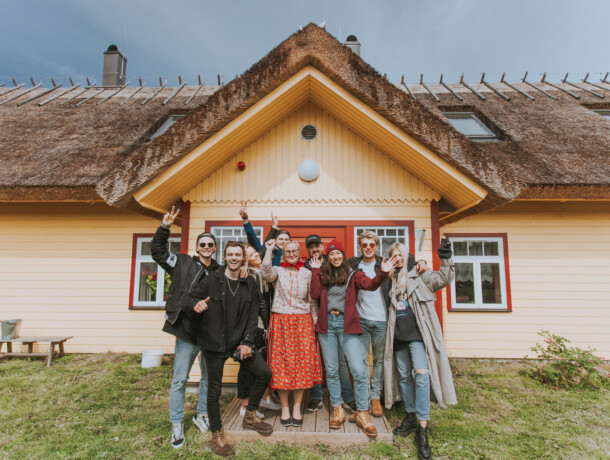
Pärnu County is home to two unique attractions listed as UNESCO heritage sites. The first is Kihnu Island and its cultural space, included in the Intangible Cultural Heritage list. With a history spanning over 600 years, the island’s culture is proudly passed down from generation to generation.
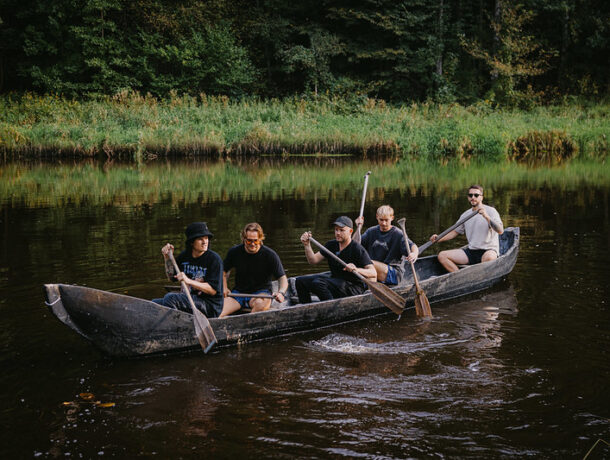
The second is the construction and use of the Soomaa dugout canoe, known as the haabjas. This traditional watercraft has been used historically and continues to be used in Soomaa, particularly during the spring floods, known as the “fifth season.”
International Recognitions
Pärnu’s strengths as both a living environment and a travel destination have not gone unnoticed, as reflected in the various international awards received over the years:
- 2023: The international sustainable tourism organization Green Destinations included Pärnu’s success story of developing the Sindi Rapids among the world’s top 100 travel destinations and awarded the city a Silver levelrecognition for sustainable development. Read more about Pärnu’s Green Destinations certificate.
- 2021: The construction and use of the Soomaa dugout canoe (haabjas) was inscribed on UNESCO’s Intangible Cultural Heritage list.
- 2021: The European Federation of Protected Areas (EUROPARC) awarded quality marks to Matsalu and Soomaa National Parks for sustainable nature tourism development.
- 2020–2021: Green Destinations recognized Pärnu’s success story of coastal meadow “city cows” among the world’s top 100 sustainable destinations and awarded the city a Bronze level recognition for sustainable development in 2021.
- 2020: Pärnu won the Most Sustainable Tourism Destination in the Baltic Sea Region award.
- 2015, 2020: The EUROPARC Federation’s sustainable tourism quality mark was awarded to Matsalu (2015, 2020) and Soomaa (2020) National Parks.
- 2019: Pärnu was named Estonia’s best wellness and health tourism destination in the European Destinations of Excellence competition.
- 2018: Lonely Planet included Pärnu in the top 10 lesser-known beach towns worth visiting.
- 2009: Soomaa National Park, part of the European network of protected areas, won first place in Estonia’s “Undiscovered Treasures” competition.
- UNESCO Recognition: Kihnu Island and its cultural space in Pärnu County are listed in the UNESCO Representative List of the Intangible Cultural Heritage of Humanity.
Pärnu County Protects Its Natural Values and Local Communities. As a holder of the Green Destination label, we are committed to addressing any deviations from the Green Destination standards. If you notice any practices that do not comply with these standards, please contact the Pärnu Green Destination team leader (Senior Tourism Development Specialist at the Pärnu City Government Development Department) at silva.koemets@parnu.ee.