The long, straight Supeluse Street was originally laid out with military needs in mind, as it led from the town to the coastal defence battery by the sea. The street’s military importance declined in the 1830s, when a tavern was set up at the end of the street in the former building of the coastal defence battery; in 1838 it was rebuilt as a bathing establishment.
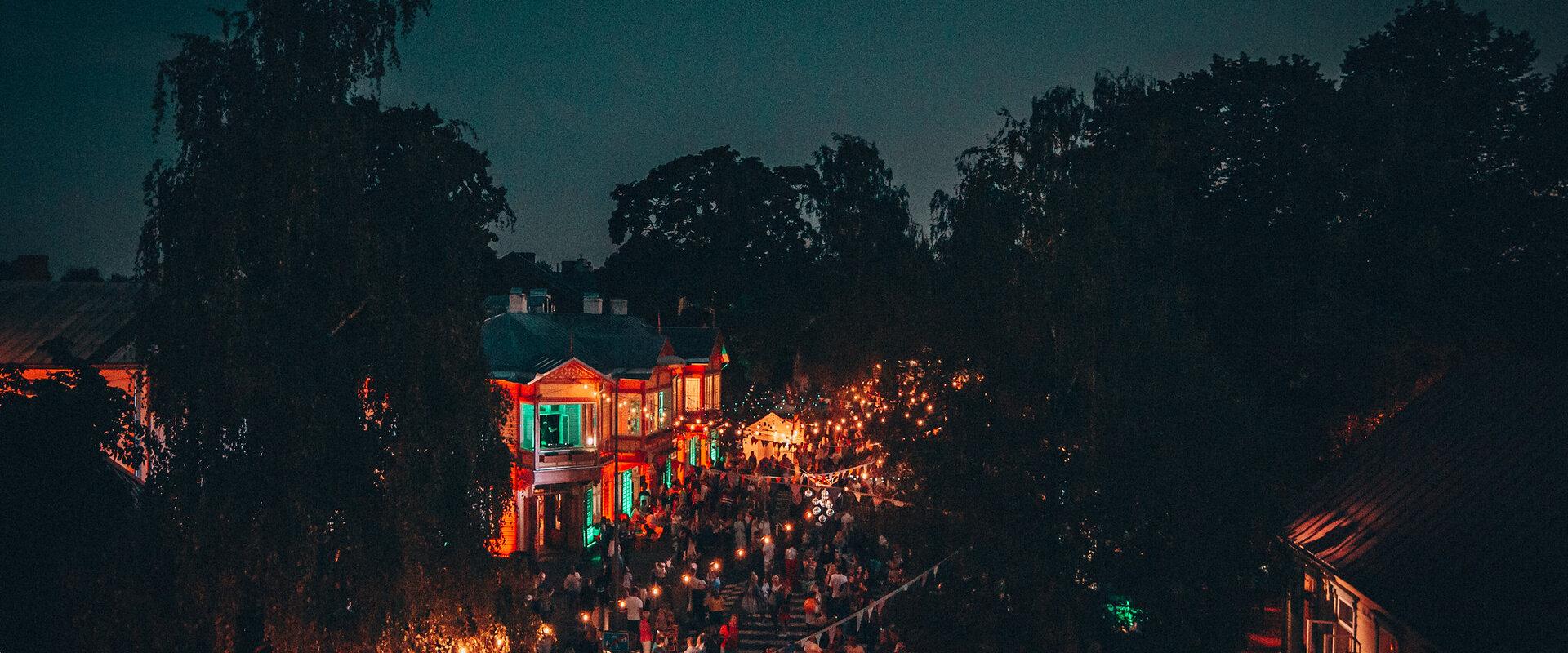
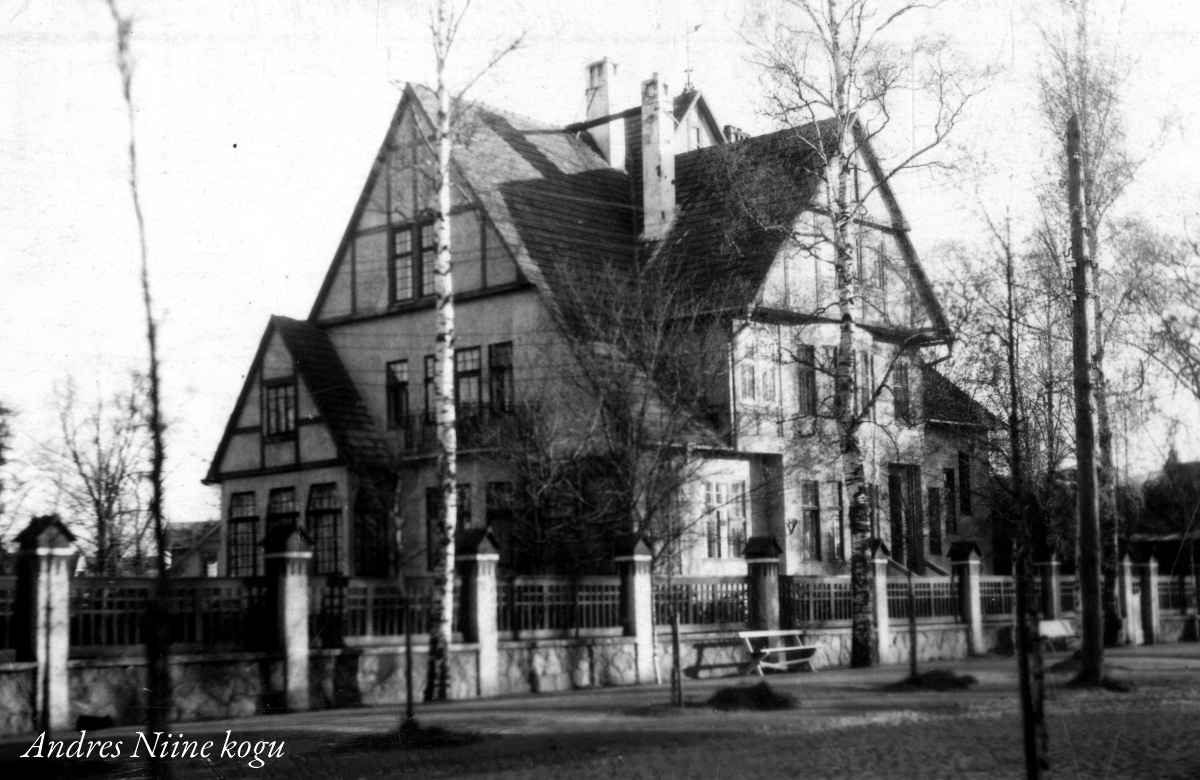
In 1857 a summer manor was established in the area of the street, acquired in 1867 by the von Bööcke family. The building complex is therefore known as the Bööckenhof summer manor. At first the street was lined with hay meadows and pastures, but at the end of the 19th century the town began exchanging the seaside hay plots for land elsewhere, in order to lay out parks and summer-house districts along the street. Work on the Beach Park began in 1889. Because the buildings along the street housed summer visitors, the town government required architectural beauty and sufficient size of the new houses. In 1890 the bathing house at the end of the street was replaced by modern water and mud baths. The first mud baths were destroyed in 1915, when the German navy fired a couple of dozen shells into the town. Fortunately, the other buildings on Supeluse Street were largely unharmed. Between 1926 and 1927 the present Pärnu Mud Baths building was completed on the site of the destroyed one.
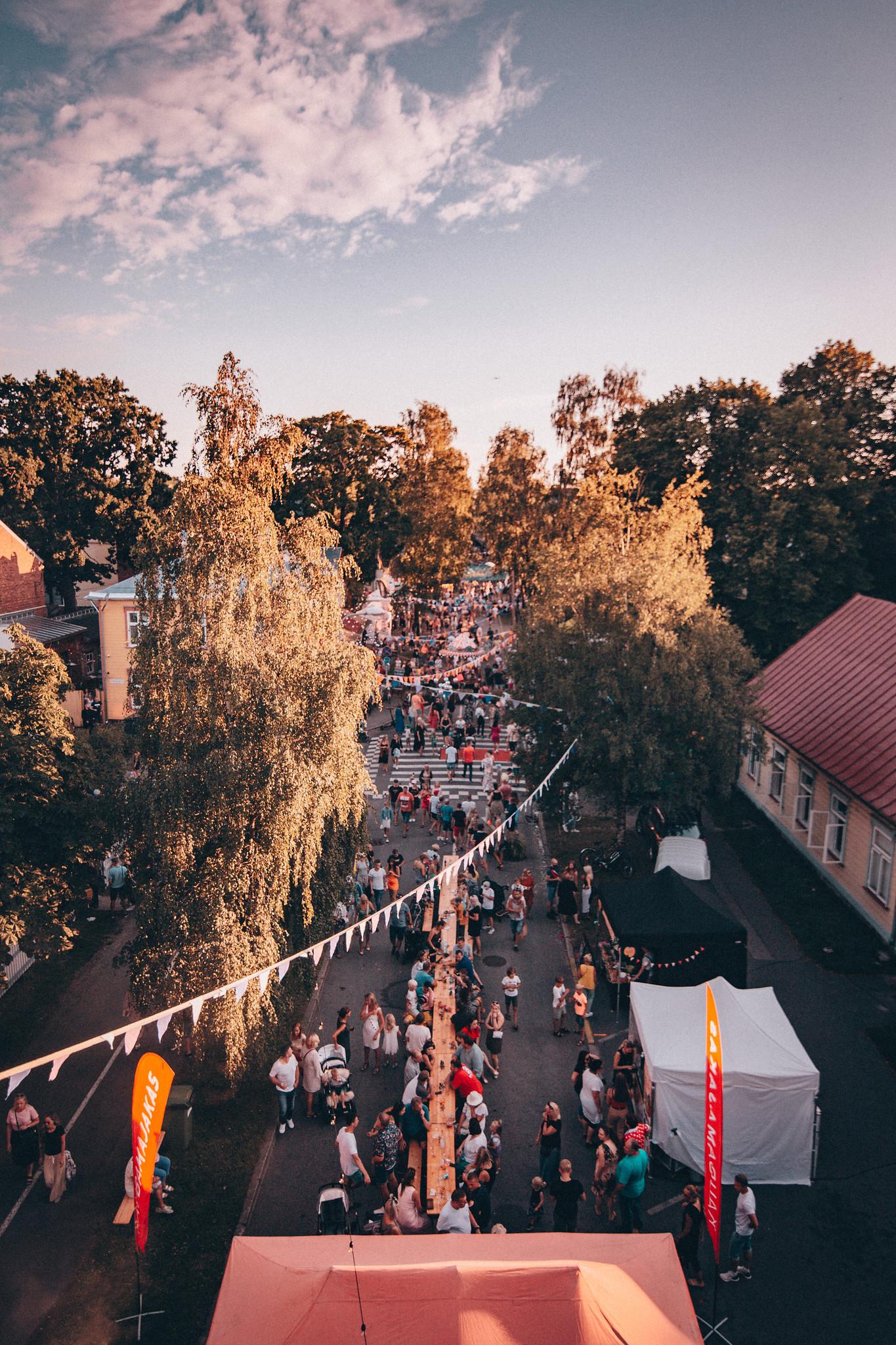
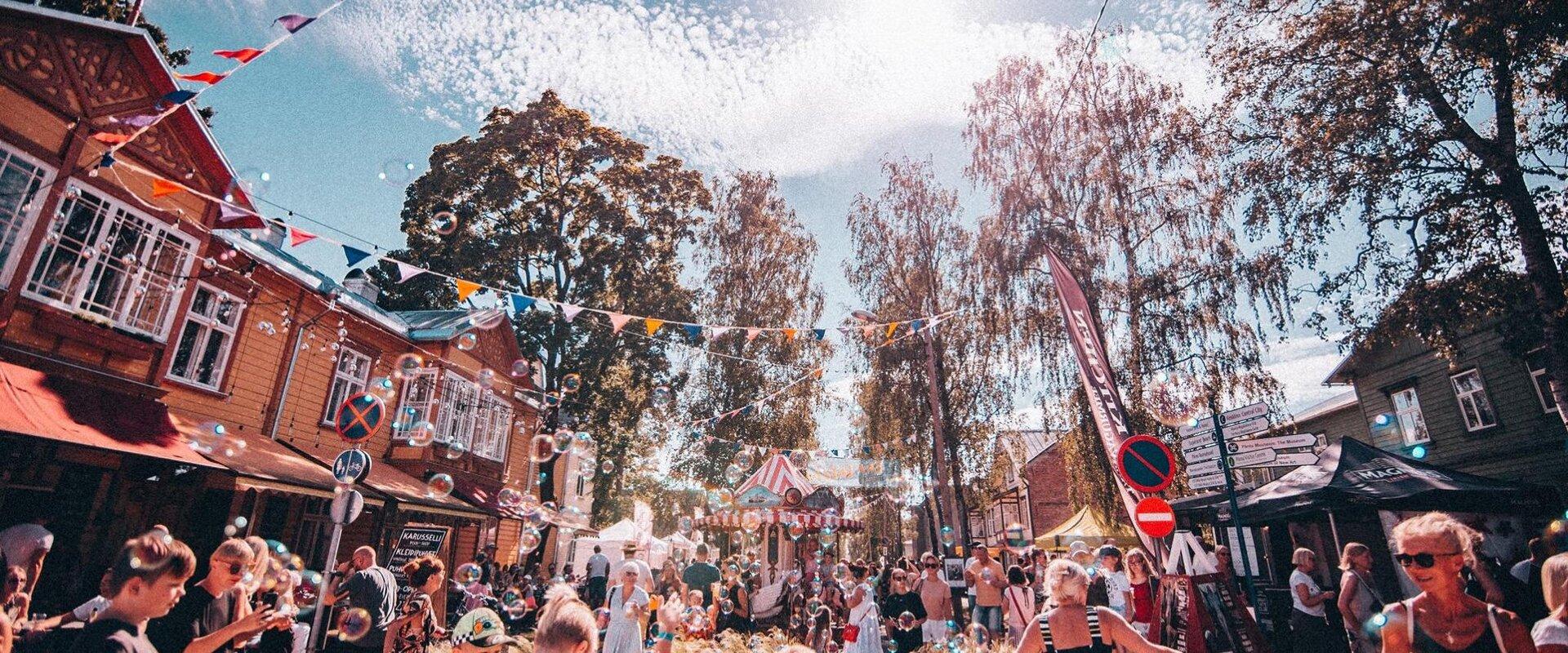
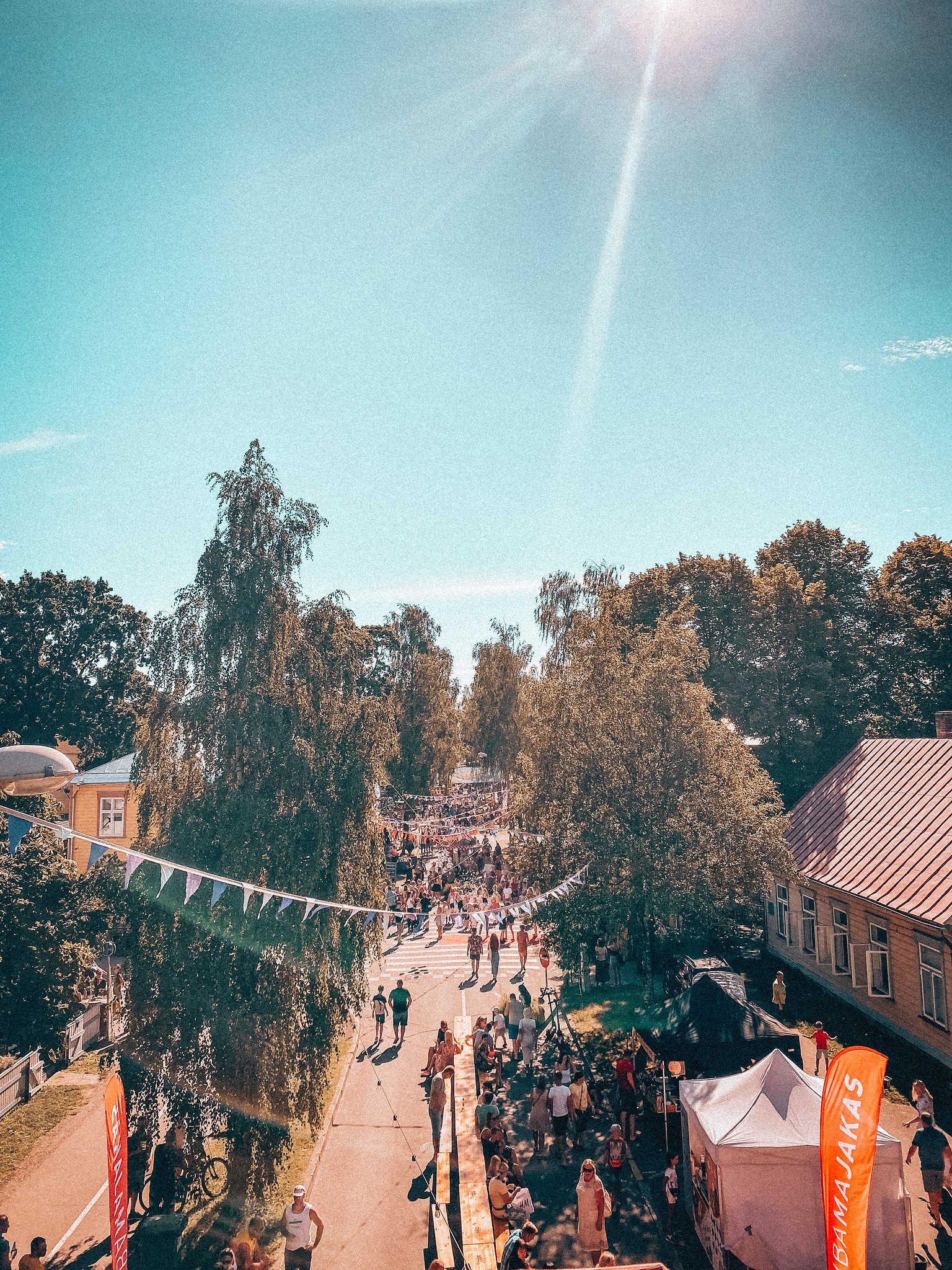
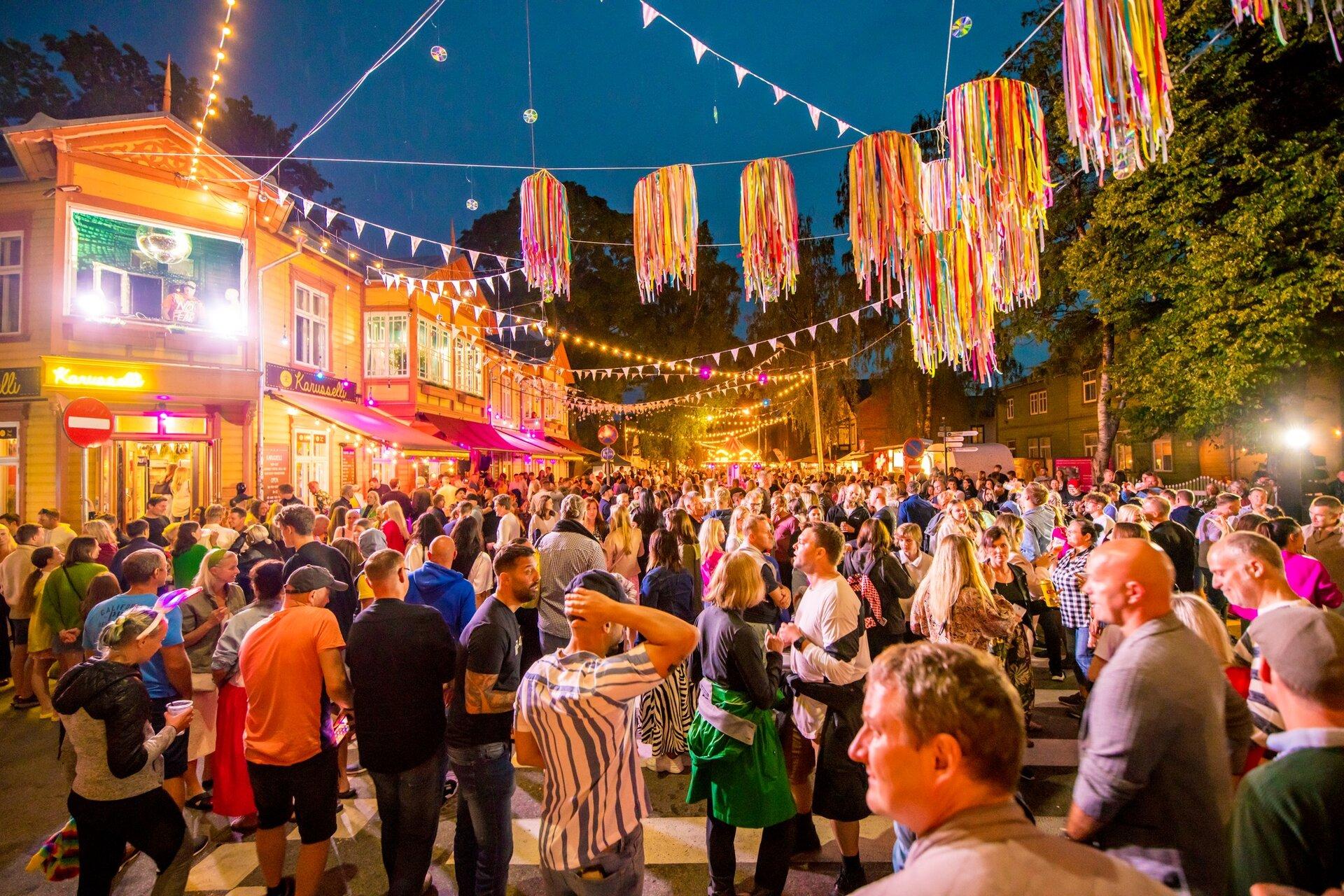
Today Supeluse is still the main street connecting the town centre with the beach, and it is busy throughout the summer season. There are also several places to eat and stay along the street. For this reason Supeluse Street has been called Pärnu’s summer high street.
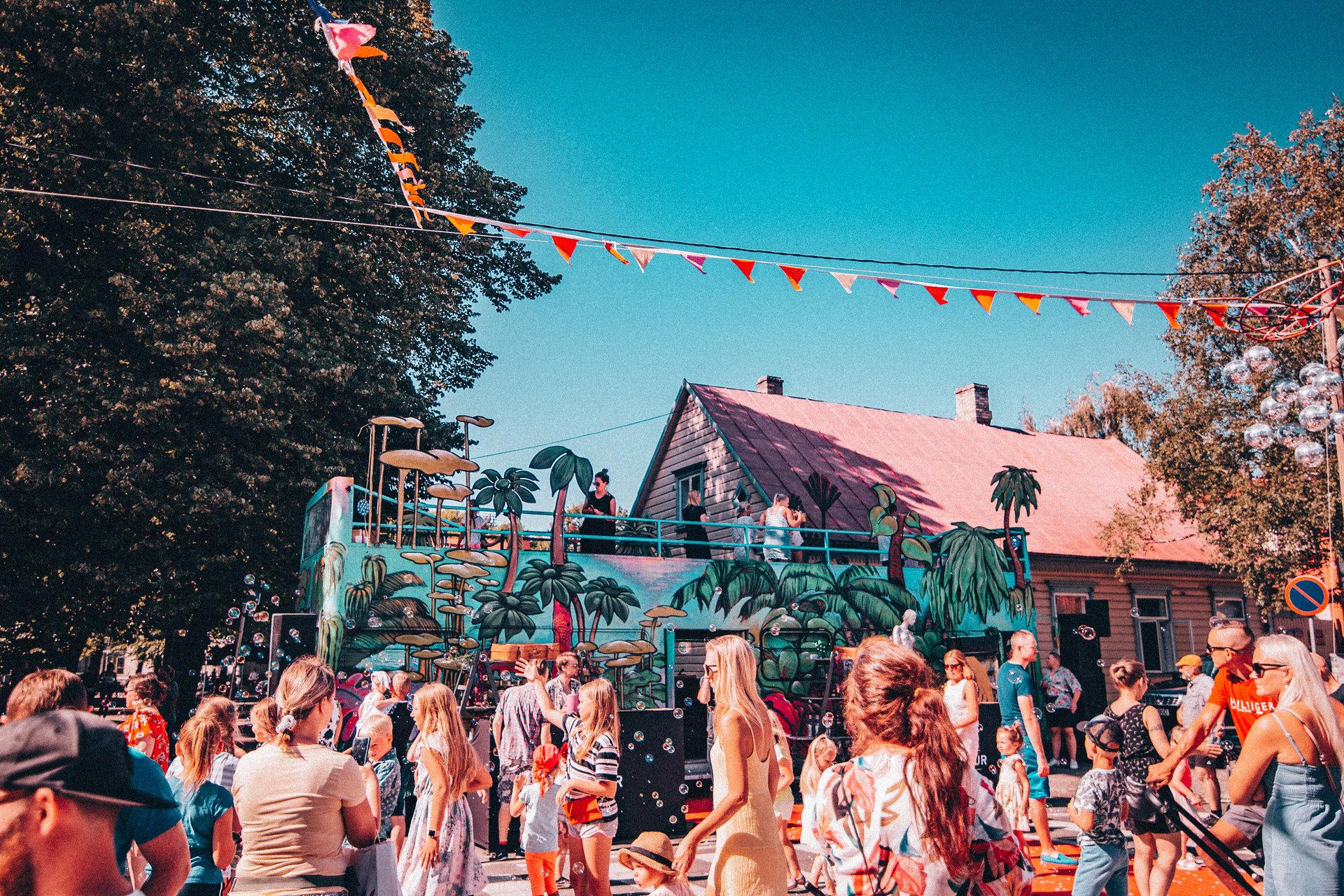
To give pedestrians and cyclists more room, the street was closed to car traffic for the summer of 2020. Since that year Supeluse Street becomes the Summer Promenade every year from 1 June, along which both local residents and visitors can move comfortably and safely between the town centre and the beach area.


 Happening today
 For travellers
 Business Pärnu