 Happening today
 For travellers
 Business Pärnu
A sustainable holiday in Pärnu means finding a balance between relaxation and environmental responsibility. It involves making conscious choices regarding accommodation, transportation, and activities to reduce your ecological footprint and support the local community. This way, visitors can enjoy the beauty of Pärnu responsibly, ensuring it remains just as stunning for future travelers.
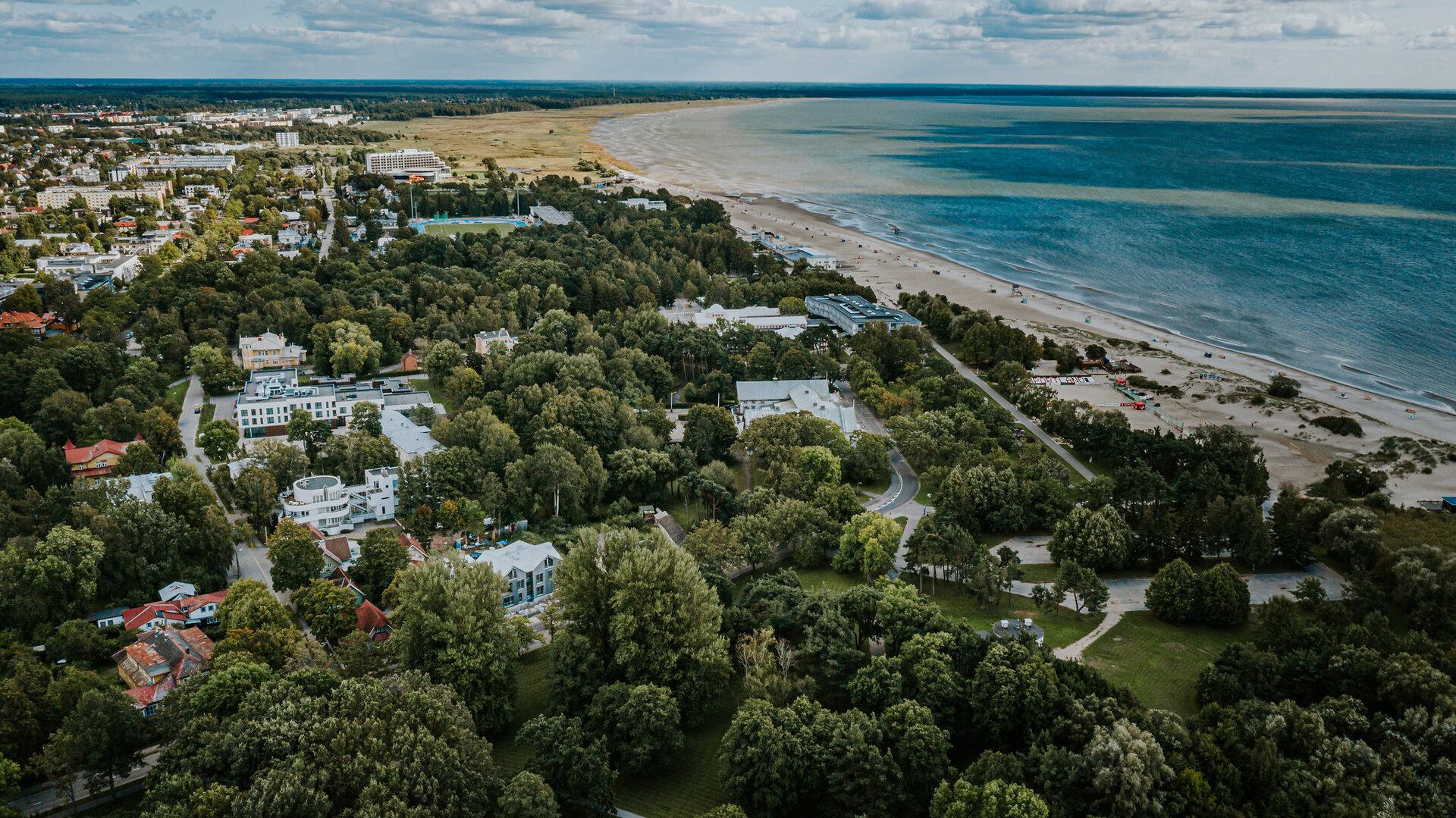
Green destinations
Environmental awareness has been increasing worldwide, and a growing number of people are choosing travel destinations where they can be confident that tourism is genuinely being developed in an environmentally friendly way.
The international organization promoting sustainable tourism, Green Destinations, has developed a standard for sustainable destinations. Based on this standard, destinations can first apply for a level recognition – the Green Destination Award – and subsequently for certification. The recognition system has four different categories, ranging from bronze to diamond. In 2023, Pärnu achieved the silver level label. In Estonia, the Green Destinations program is led by the Tourism Department of the Estonian Business and Innovation Agency.
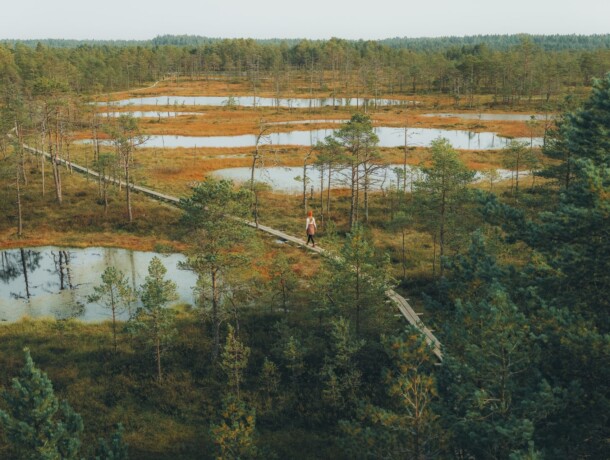
Green Key label
In Pärnu, the use of the Green Key eco-label has become increasingly widespread. It is an international certification that confirms a business operates in an environmentally friendly and responsible manner.
The region offers a diverse range of accommodation and leisure options, with a growing focus on conscious and sustainable tourism. Many accommodation providers operate in carefully restored historic buildings, combining the preservation of cultural heritage with resource-efficient solutions, thereby offering high-quality and environmentally responsible stays.
In addition to city hotels and spas, Pärnu County also offers peaceful retreats in the heart of nature – on the edge of pine forests, near bodies of water, or along the borders of protected areas. These places invite visitors to slow down, enjoy nature, spend time outdoors, and take moments for themselves.
The holiday experience is further enriched by experiential villages and sauna centers that value local culture, authentic materials, circular economy principles, and nature-based experiences. These places reflect Pärnu County’s distinctive balance between heritage, nature, and modern, increasingly sustainable tourism services. Visitors to Pärnu County have the opportunity to contribute to the region’s sustainability by choosing services from businesses that have demonstrated their commitment to environmentally responsible practices through the Green Key label.
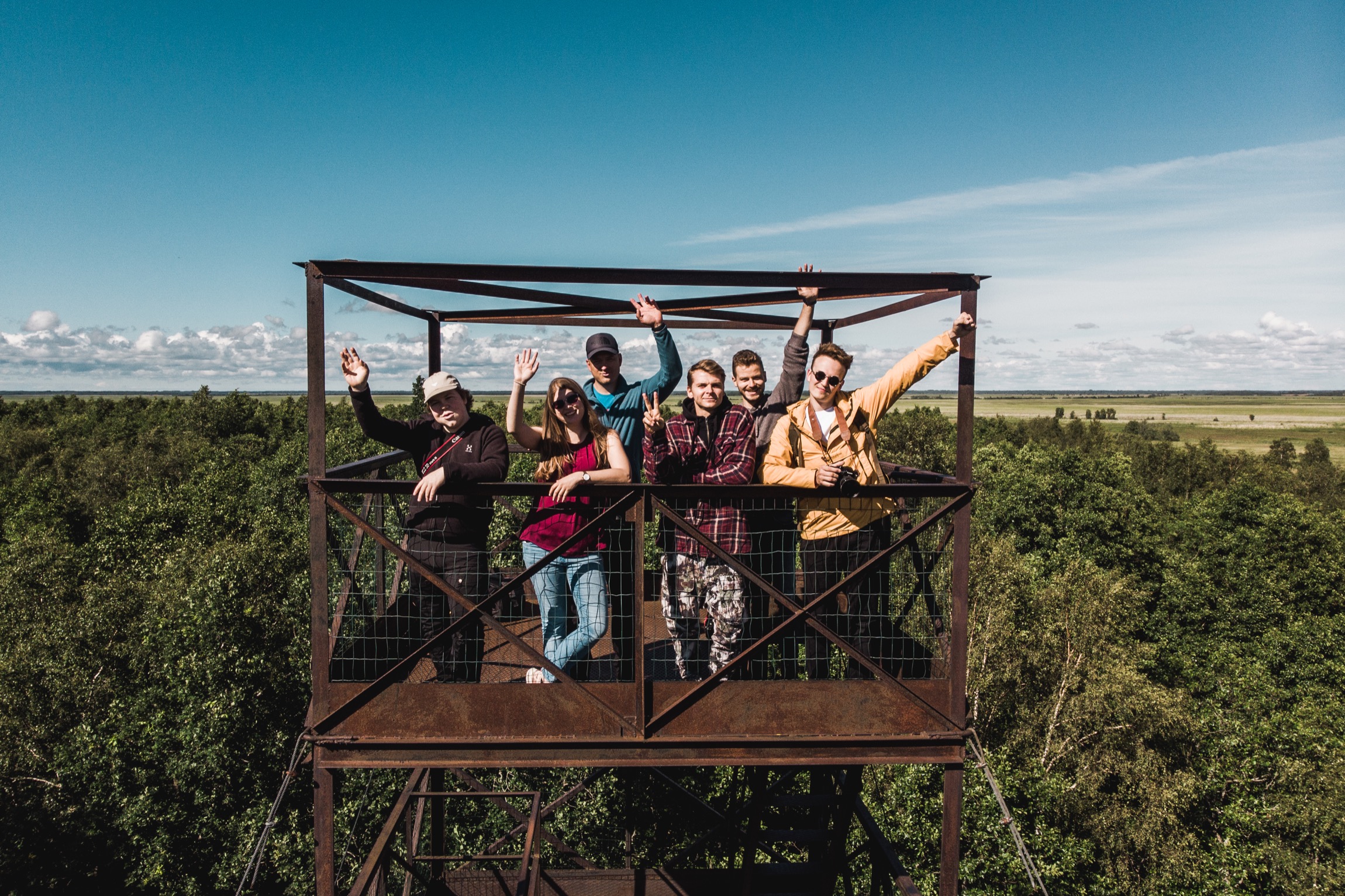
EUROPARC Certificate
EUROPARC is a European network dedicated to natural and cultural heritage, which recognizes national parks and businesses operating within national park regions with the EUROPARC certificate for their efforts in protecting natural and cultural heritage. In Estonia, the activities are coordinated by the Environmental Board.
Visitors to Pärnu County have the opportunity to contribute to the region’s sustainability by using services provided by certified businesses.
In the areas of Matsalu and Soomaa National Parks, several businesses operate with a strong commitment to preserving local natural and cultural heritage and offering sustainable tourism experiences. Visitors can explore the unique characteristics of these regions, such as Soomaa’s “fifth season” or birdwatching in Matsalu National Park, and take part in guided tours, hike in bog landscapes and along rivers, or learn more about the richness of local nature and culture.
Businesses recognized with the EUROPARC label actively contribute to preserving the values of national parks by linking their services with nature conservation, support for local communities, and the provision of environmentally friendly holiday experiences. As a result, visitors have the opportunity to make conscious choices, enjoy authentic nature, and discover the diverse and unique natural environment of Pärnu County.
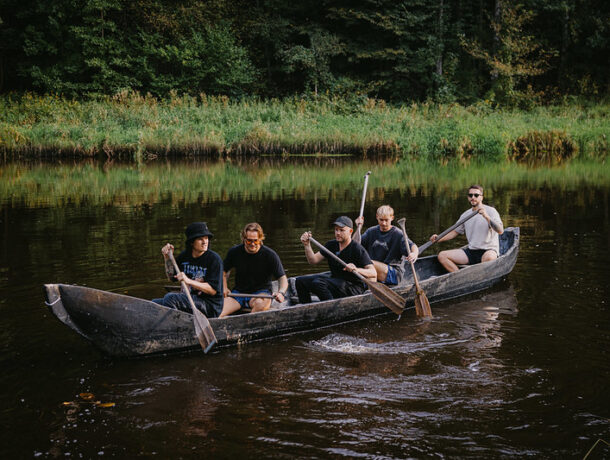
Unique UNESCO Heritage
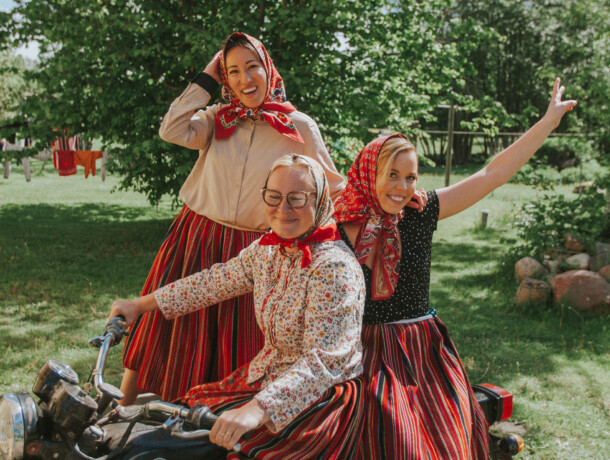
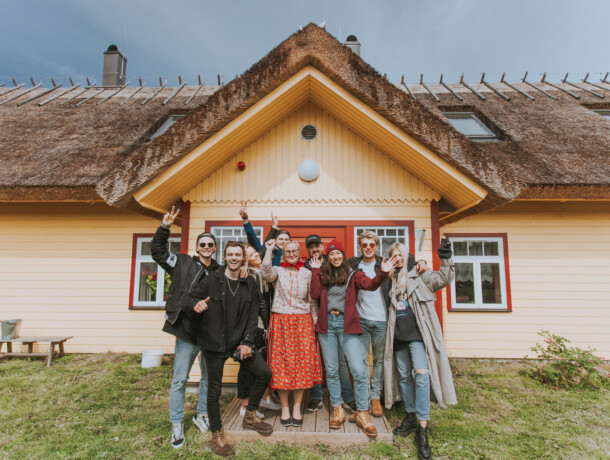
Pärnu County is home to two unique attractions included in the UNESCO World Heritage and Intangible Cultural Heritage lists. The first is Kihnu Island and its cultural space – a place that everyone interested in authentic cultural heritage, distinctive nature, and warm, welcoming people should visit at least once in their lifetime. Kihnu culture is over 600 years old, and local traditions are proudly passed down from generation to generation. Kihnu Island has also been selected among Europe’s TOP 100 sustainable tourism success stories.
In 2021, another element of Pärnu County’s heritage was added to UNESCO’s Intangible Cultural Heritage list – the construction and use of the Soomaa dugout canoe, known as the haabjas. This traditional watercraft has been used historically and continues to be used today in Soomaa, especially during the spring floods known as the “fifth season.” It is a low-bottomed canoe carved from a single log, allowing movement in areas that become inaccessible on foot or by other means during high water. The making of a haabjas begins with finding a suitable tree, most commonly aspen, which is then carefully hollowed out to form the boat.
Tips for an Environmentally Friendly Holiday
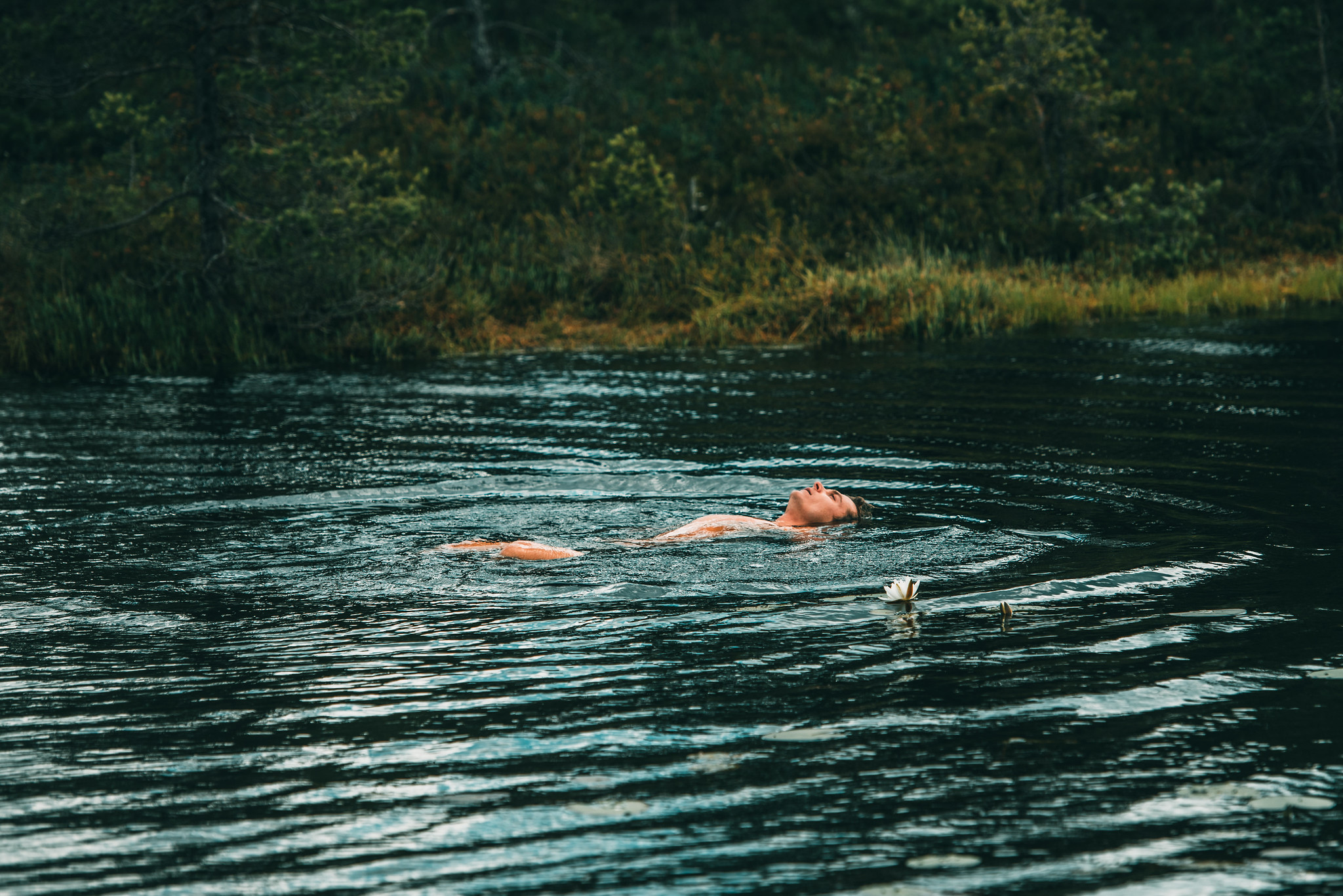
Visitors to Pärnu County are encouraged and guided to behave in an environmentally responsible way (including respect for local culture) through expert platforms and websites that provide relevant advice, such as Loodusveeb and RMK.
The web portal Loodusega Koos, which brings together all RMK nature trails (including those in Pärnu County), offers multilingual guidelines on how to behave in nature and how to organize trips in a waste-free way. It also explains the concept of the “right to roam,” as well as the specific considerations for moving in nature during winter. In addition, the portal provides clear rules for group visits and guidelines on notifying authorities when traveling in larger groups.
Conscious Traveler Checklist
- Conscious Traveler Checklist
- Do not litter; always use a trash bin. If possible, sort your waste. If you see litter, especially in nature, pick it up and dispose of it properly.
- Bring a reusable water bottle for the entire trip. Tap water in Pärnu County is clean and safe. Avoid buying bottled water. Check local maps for refill stations.
- Prefer public transport or cycling over private vehicles. Consider the ecological footprint of your travel.
- Use reusable cloth or paper bags instead of plastic bags.
- When buying souvenirs, choose local products.
- Stick to designated trails when walking in bogs and nature reserves.
- Eat at local restaurants and cafés; shop at local stores and markets. Avoid global multinational chains.
- Prefer digital materials over printed ones.
- Choose local services and providers: guides, tour operators, and excursion organizers.
- Before buying new furniture or clothing, consider visiting antique or second-hand shops. You may find items with history and unique stories.
- While at your destination, ask locals for their recommendations on places to visit and things to discover.
- Follow accommodation guidelines: reuse towels, avoid daily linen changes if possible, do not let water run unnecessarily when brushing teeth, and sort waste in your hotel room if possible.
- Pack only what you need and as little as possible.
- Do not print hotel bookings, bus or flight tickets unless explicitly required. Download confirmations to your device instead. Wi-Fi is widely available in Estonia.
- Plan longer stays in one destination (e.g., a week). Shorter trips and distant destinations typically have a larger ecological footprint.