 Happening today
 For travellers
 Business Pärnu
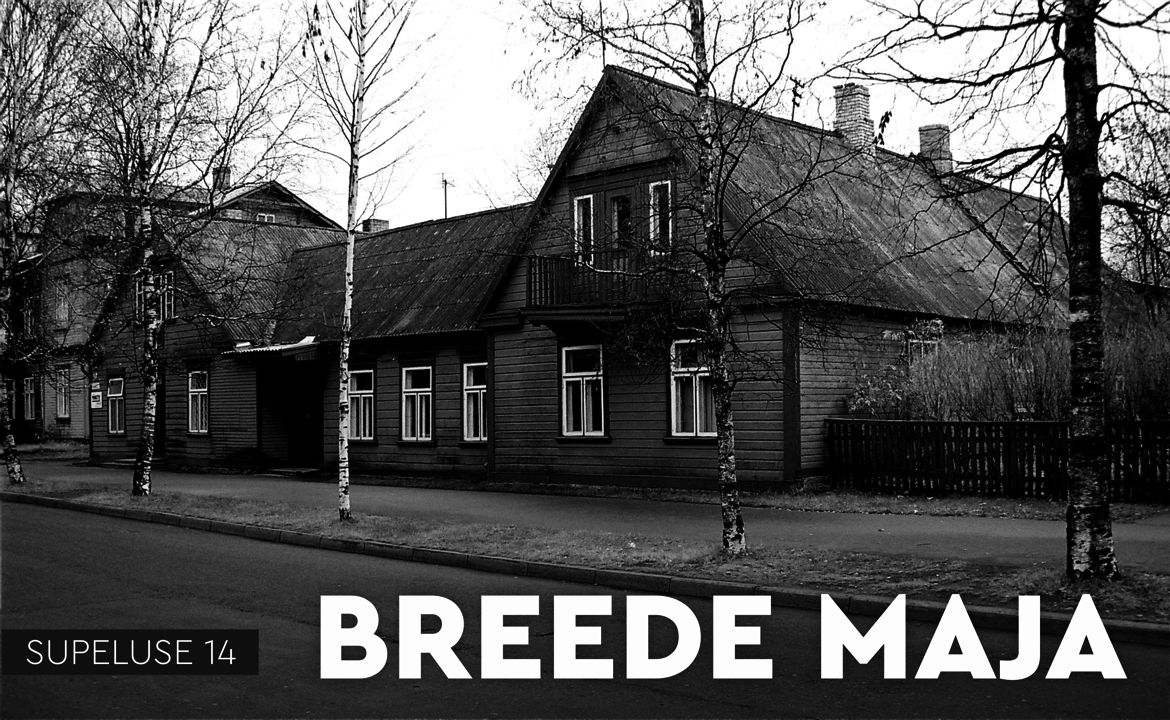
Varasemalt, kui Supeluse tänav veel välja kujunemata, oli tegu oli äärmise krundiga eeslinna servas vastu linna karjamaad, maja ehitamise aasta ja selle esimesed omanikud on teadmata. Teada on vaid see, et 1857. aastal ostab äsja lesestunud Julie Hebenstreit podrätsik Jakov Porošovilt puidust elumaja koos kõige sinna juurde kuuluvaga.
 Julie Dorothea Hebenstreit (1818-1902) on sündinud Kuressaares ja abiellunud Pärnus laevakapten Johann Georg Hebenstreitiga (1817-1855). Kinnistu jääb aastateks lese valdusse. Vana maja – praeguse hoonemahu merepoolse osa, laseb ta mitmes ehitusjärgus laiendada. 1895. aastal müüb ta kinnistu Pärnu gümnaasiumiõpetajale, saksastunud lätlasele Ernst Breedele.
Läti ärkamisaja unustatud tegelane
Ernst Friedrich Breede (1852-1937), lätipäraselt Ernests Fridrihs Briedis, sünnib talupidaja pojana Popervāle mõisas Kuramaal, omandab hariduse Miitavi (Jelgava) poeglaste gümnaasiumis ning astub seejärel 1872. aastal Tartu Ülikooli õppima klassikalist filoloogiat.
Pseudonüümi Bojenieks all avaldab peamiselt keele- ja kirjandusalaseid kaastöid Läti ajalehtedele, lisaks 1871. aastal Riias kogumiku «Trīs dziedājumi» («Kolm poeemi») ning 1875. aastal näidendi «Nedz pa labo, nedz pa kreiso» («Ei paremale ega vasakule»), mis on üks vanemaid läti algupäraseid näidendeid.
Peale õpinguid Tartus täiendab end Peterburi õpetajate seminaris ning aastast 1884. tuleb Pärnusse vanade keelte õpetajaks. Pärnusse asudes ta enam oma läti talupoja päritolu ei afišeeri, vaid sulandub siinsesse kõrgemasse saksa kogukonda, abielludes linnapea Georg Friedrich Rambachi tütre Elisabethiga. Seejärel kaob ta läti kultuuriloo jaoks suuresti nii pildilt kui ka unustusse.
 Õpetajana oli Breede samavõrd hinnatud ka õpilaste hulgas – aastatel 1896–1903 Pärnu gümnaasiumis õppinud Edgars Krieviņš, hilisem läti suursaadik Eestis, on meenutanud Breedet kui laiade intellektuaalsete huvidega nõudlikku õpetajat [Australian Latvian, 10.09.1955]. Esimese ilmasõja ajal, kui Pärnu gümnaasium evakueeritakse Venemaale, saab Breedest uue, linna poolt asutatud kooli juhtimine. Ja kui noores Eesti Vabariigis hakkab kohalik saksa kogukond, tuginedes kultuurautonoomia seadusele, rajama omakeelset eragümnaasiumi, siis saab Ernst Breedest 1919. aastal ka selle kooli esimene direktor.
Tegevõpetaja karjääri lõpetab Breede alles 70aastaselt, elades ikka samas, Supeluse tänava majas. Tema punktuaalsuse kohta levis Pärnus linnalegend, nagu seadvaks supelsaksad oma kellad õigeks Breede järgi: iga päev täpselt kell 12.00 väljub ta oma kodust Supeluse tänaval, et minna jalutama. Peale rasket haigust sureb Breede 19. detsembril 1937 ja maetakse Pärnu Alevi kalmistule. Kinnistu Supleuse tänaval jääb Breede pärijate kätte kuni 1940. aastani, mil omaniketa jäänud maja (Breede tütar Gertrud Koch on lahkunud ümberasumise käigus Saksamaale) natsionaliseeritakse.
Majavalitsuse klubi
 Peale sõda läheb maja Pärnu Linna Elamute Valitsuse hallata, kuid et 1960ndate alguseks on vana maja väga amortiseerunud ja korterid elamiseks kõlbmatud, otsustab elamutevalitsus paigutada siia oma ametiühingu klubi – kahest suuremast toast esimesel korrusel ehitatakse kokku avar saal ning siin hakkavad koos käima lasteringid ning rahva- ja peotantsurühmad. Lisaks klubile asutatakse siia majja piirkondlik korrakaitsepunkt, kuhu koonduvad piirkonna rahvamalevlased ehk tänases mõistes vabatahtlikud abipolitseinikud, eesmärgiks ühiskondlikus korras heakorra tagamine linnaosas – magavate joodikute teisaldamine ning huligaanide taltsutamine.
Taasiseseisvumise järel pesitseb majas 1990ndate alul mõnd aega Pärnumaa Kodukaitse Malev. Seejärel hakkavad vahetuma rentnikud, kes siin toitlustuskohta või baari pidada püüavad. Pikemalt jääb tegutsema 1998. aastal alustav ameerikalik kõrts nimega Väike Texas ehk Texas Honky Tonk, mille menüü koostamisel loob kaasa Pärnu teatri näitleja ja pühendunud kokakunstnik Peeter Kard. Peale aastatuhande vahetust kolib Väike Texas Tallinnasse ja tegutseb seal tänaseni.